Matka King Explores Gambling's Grip on Ambition and Integrity in 1970s Bombay
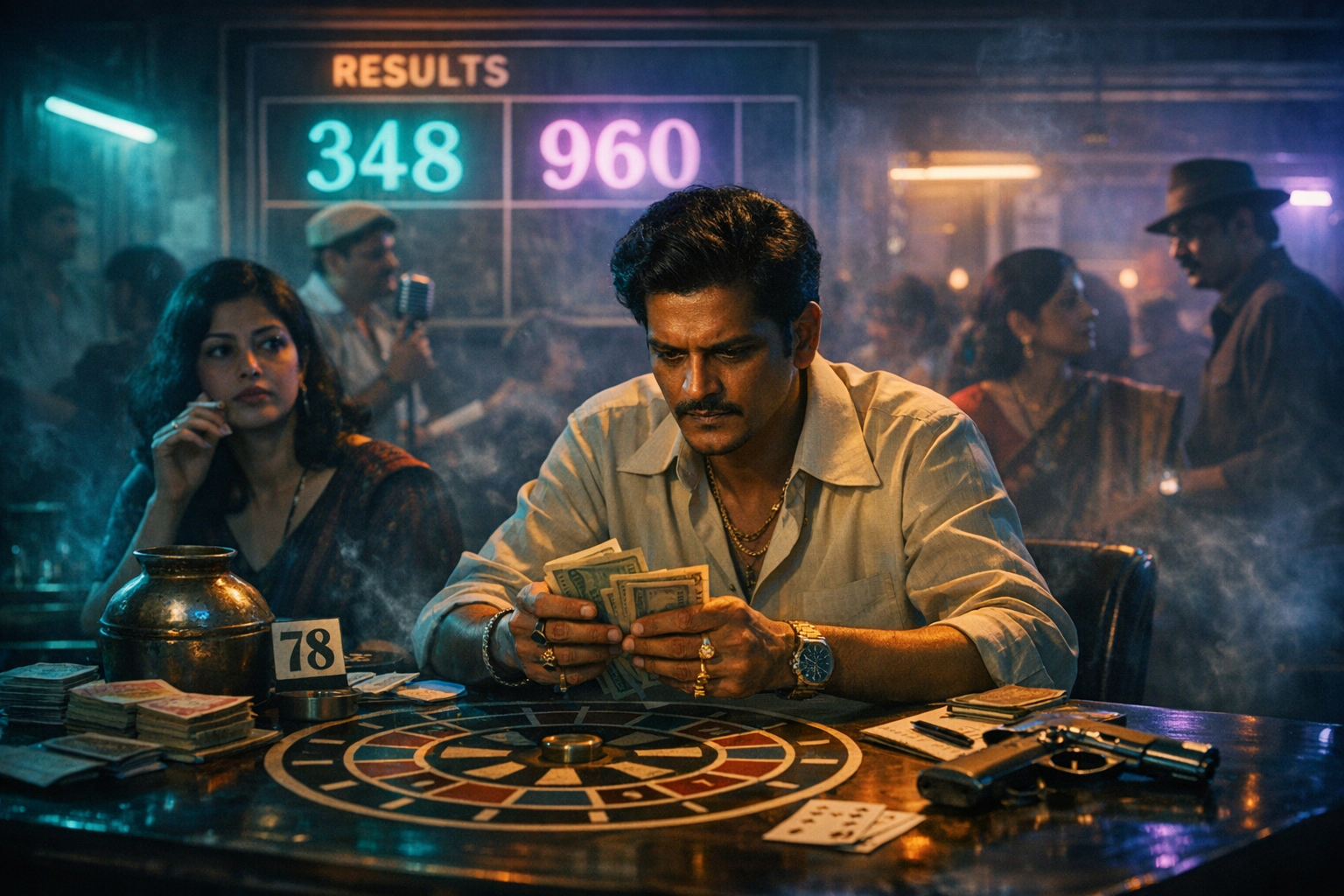
Nagraj Manjule's Prime Video series Matka King traces the rise of Brij Bhatti, a cotton mill worker who builds a vast underground gambling network through matka in 1960s Bombay. This eight-episode drama captures the era's moral ambiguities, where personal codes clash with the temptations of power and wealth. It reflects broader cultural tensions in India's post-independence underworld, where survival often demanded ethical compromises.
A Mill Worker's Calculated Ascent
Brij Bhatti, portrayed by Vijay Varma, starts as a low-level operator for gangster Lalji, played by Gulshan Grover, managing bets amid family debts and mill drudgery. Matka, a numbers-based lottery using playing cards or pots, emerges as his breakthrough; he refines it into an accessible game that draws crowds with fair play promises. Unlike rigged operations, Brij enforces strict honesty, turning integrity into a unique draw in a trade rife with deceit. This approach fuels rapid expansion, from street corners to airline announcements, embedding the game in daily life. The series illustrates how such innovations exploited economic desperation, as urban poverty in 1960s Bombay pushed workers toward high-risk hopes for quick relief.
Personal Costs and Fractured Bonds
Success erodes Brij's home life: he distances himself from wife Sumitra (Sai Tamhankar) and sends their son away, prioritizing empire over family. His bond with Parsi widow Gulrukh (Kritika Kamra) offers tenderness amid isolation, their shared belief in luck forging an unlikely alliance. Rare moments of solidarity shine, like women choosing empathy over rivalry, or Gulrukh encouraging Sumitra's independence. These threads highlight gambling's ripple effects—beyond financial ruin for players, it fractures communities and isolates leaders. Manjule underscores the psychological toll, showing ambition's slow corruption even in those who resist overt vices.
Bombay's Immersive Reckoning with Vice
The production recreates 1960s-1970s Bombay through authentic language, fashion, and references to figures like Saira Banu, making the setting pulse with life. Subtle commentary emerges on media priorities, as a reporter's gambling exposé yields to society wedding coverage. Pacing falters in mechanical explanations, stretching eight episodes into indulgence for some viewers. Yet the core endures: matka's allure mirrors life's uncertainties, where hope in odds sustains both players and kingpins. Matka King compels without fully triumphing, a solid portrait of an empire built on bets and barely held principles.


