Popcorn’s Crunchy Comeback: Snack Culture Icon

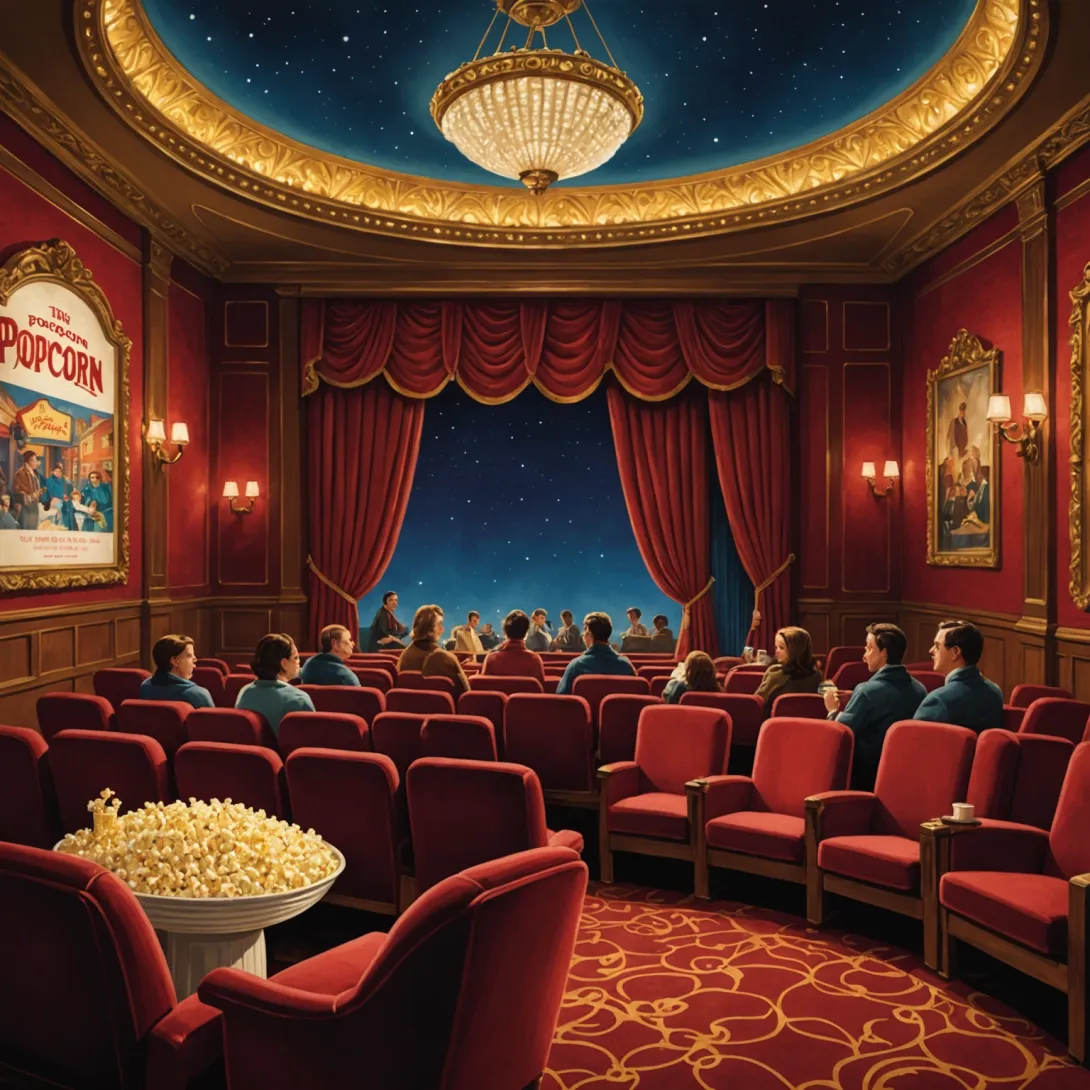
Imagine settling into your favorite movie theater seat — the lights dim, the previews start, and your hand instinctively reaches for a bag of popcorn. This simple snack, with its satisfying crunch and buttery aroma, has woven itself into the fabric of social gatherings, movie nights, and even gourmet food trends. But popcorn’s journey hasn’t always been smooth or straightforward. It has faced challenges ranging from health scares like the notorious popcorn lung to evolving consumer tastes craving something new and exciting. Yet, despite these hurdles, popcorn has made a triumphant comeback, reclaiming its throne as a beloved snack both in classic and innovative forms.
Why Popcorn Almost Lost Its Pop
Popcorn isn’t just a snack; it’s an experience. But the past decade brought a shadow over this crunchy delight when concerns about “popcorn lung” entered public consciousness. This term refers to bronchiolitis obliterans, a serious lung disease linked to inhaling diacetyl, a chemical once common in artificial butter flavorings used in microwave popcorn and some commercial popcorn varieties. Suddenly, what was once a harmless indulgence sparked fear among health-conscious consumers. Questions about safety started to surface: Is popcorn still a safe snack? Should movie theaters and manufacturers change how they prepare and flavor popcorn?
These health concerns coincided with a broader shift in snack culture. Consumers became increasingly interested in wholesome, natural, and artisanal food options, questioning the additives and preservatives that had long been part of many snack foods. Popcorn, often dismissed as just a theater treat or a microwave snack, needed to reinvent itself to stay relevant in a world where kale chips and quinoa snacks were gaining ground.
However, the story doesn’t end there. Just as popcorn seemed at risk of being sidelined, a renaissance began. Movie theaters started offering organic, non-GMO options. Gourmet chefs embraced popcorn as a versatile canvas for bold flavors—from truffle and parmesan to spicy chili and exotic spices. Even the convenience of pop corn at home took on a new dimension with air-popped varieties and creative seasoning blends. This resurgence wasn’t just about taste; it was about reconnecting with an iconic snack while addressing past concerns and modern preferences.
The Popcorn Revival: Crunchy, Creative, and Careful
Today’s popcorn culture is a fascinating blend of nostalgia and innovation. It invites both longtime fans and curious newcomers to rediscover what makes this snack so special. For families heading to the cinema, it’s about that timeless crunch that complements the big screen experience. For foodies, it’s a playground of flavor possibilities, a blank slate for culinary creativity. And for health-conscious individuals, it’s a reminder that popcorn can be a wholesome snack—when made thoughtfully.
Interestingly, the rebound of popcorn parallels shifts in payment and purchasing habits seen across other industries. Just as popcorn’s popularity has adapted, so too have how consumers engage with brands and services. For instance, in Kenya, the rise of mobile payment platforms has transformed everyday transactions. If you’re curious about how convenience is reshaping consumer habits, you might find it interesting to explore resources like the bet in kenya paybill number guide, which highlights how seamless payments enhance user experience. This synergy of convenience and culture is part of what makes popcorn’s comeback so compelling—it’s not just a snack, it’s part of a larger lifestyle shift.
What You’ll Discover in This Article
In the following sections, we’ll peel back the layers of popcorn’s crunchy comeback. We’ll delve into:
- The history and cultural significance of popcorn, tracing its roots from ancient snack to modern-day icon.
- The impact of health scares like popcorn lung on consumer perceptions and industry responses.
- Innovations in popcorn production and flavor trends that have sparked a gourmet revolution.
- How popcorn fits into broader trends in food culture, convenience, and even technology-driven consumer habits.
Whether you’re a casual snack lover, a movie buff, or someone fascinated by food culture and health trends, this exploration will give you fresh insights into why popcorn remains more than just a snack—it’s a crunchy, flavorful symbol of resilience and reinvention in the ever-evolving world of taste.
So, grab your popcorn (preferably a fresh, thoughtfully prepared batch), and let’s dive into the fascinating story of how this humble snack continues to pop back into our hearts and onto our plates with renewed vigor and flavor.
Popcorn’s Crunchy Comeback: Exploring Its Enduring Popularity in Snack Culture
Why Has Popcorn Remained a Staple Snack from Theaters to Gourmet Trends?
Popcorn has long been synonymous with cinema, a tradition dating back to the early 20th century when movie theaters began offering it as an affordable treat. Its resurgence and sustained popularity can be attributed to several factors:
- Affordability and Convenience: Popcorn is inexpensive to produce and easy to prepare, making it an accessible snack for all demographics.
- Versatility in Flavor: From classic butter and salt to exotic spices, caramel coatings, and cheese blends, popcorn’s flavor adaptability appeals to diverse taste preferences.
- Healthier Snack Option: Compared to many processed snacks, plain or lightly seasoned popcorn is low in calories and high in fiber, fitting well into modern health-conscious diets.
- Gourmet and Artisan Trends: The rise of gourmet popcorn brands and artisanal recipes has elevated popcorn from a simple theater snack to a sophisticated treat featured in specialty food markets and gift baskets.
These factors combined have helped popcorn maintain its status as a cultural icon in snacking, bridging generations and evolving consumer preferences.
What Is the Difference Between Popcorn and Pop Corn?
While "popcorn" and "pop corn" are often used interchangeably in casual conversation, the correct and widely accepted term is "popcorn" as one word.
"Popcorn" refers specifically to the type of corn kernel that expands and puffs up when heated. The term "pop corn" as two words is less common and generally considered a misspelling or informal variation. For SEO and culinary contexts, using "popcorn" ensures clarity and consistency.
How Does Popcorn Fit into Modern Snack Culture and Gourmet Food Trends?
In recent years, popcorn has transcended its traditional role as a theater snack and become a versatile ingredient and product in gourmet food culture. This is evident through:
- Flavored Popcorn Varieties: Artisan producers experiment with unique ingredients such as truffle oil, Himalayan salt, and exotic spices.
- Popcorn-Based Recipes: Chefs incorporate popcorn into dishes like popcorn-crusted fried chicken or popcorn salads, showcasing its texture and flavor complement.
- Health-Forward Innovations: Organic, non-GMO, and gluten-free popcorn options cater to wellness-focused consumers.
- Subscription Services and Gift Sets: Monthly popcorn boxes and curated collections have turned popcorn into a trendy gift and discovery item.
These trends highlight popcorn’s adaptability and enduring appeal in a competitive snack market.
What Is Popcorn Lung, and Should Consumers Be Concerned?
“Popcorn lung” is a colloquial name for bronchiolitis obliterans, a rare but serious lung disease that damages the small airways in the lungs. The term originated due to cases among workers exposed to diacetyl, a chemical once commonly used to give microwave popcorn its buttery flavor and aroma.
It is important to understand:
- Popcorn lung is not caused by eating popcorn: The disease results from inhaling diacetyl vapors over prolonged periods, primarily affecting workers in popcorn factories or flavoring manufacturing.
- Regulations and Industry Changes: Due to health concerns, many companies have reduced or eliminated diacetyl in their products, making commercially available popcorn safer.
- Consumer Safety: For typical consumers enjoying popcorn at home or in theaters, the risk of popcorn lung is negligible.
While the association between popcorn lung and popcorn initially caused public concern, understanding the difference between inhalation exposure and consumption is crucial for informed choices.
How Can Popcorn Remain a Relevant Snack in the Future?
As snacking habits evolve, popcorn’s future relevance depends on innovation and awareness of consumer trends:
- Embracing Health Trends: Offering low-calorie, organic, and allergen-free options will appeal to health-conscious buyers.
- Expanding Flavor Profiles: Global flavors and limited-edition varieties can maintain consumer interest.
- Sustainability Initiatives: Using sustainable packaging and responsibly sourced ingredients aligns with growing environmental concerns.
- Interactive Experiences: Popcorn tastings, DIY kits, and experiential marketing can enhance brand engagement.
By balancing tradition with innovation, popcorn will continue to be a beloved snack and a symbol of snack culture.