King’s Royal Narrative: Monarchy in Modern Media

The Enduring Allure of Kingship in Contemporary Storytelling
What is it about the figure of the king that continues to captivate audiences around the globe, even in an age dominated by technology, democracy, and ever-shifting cultural landscapes? From the dawn of civilization, the king has been a powerful symbol—embodying authority, legacy, and the weight of history. Yet, as we scroll through social media feeds or binge-watch the latest series inspired by royal courts, it’s clear that kingship in modern media is far from obsolete. Instead, it has morphed into a rich narrative device, exploring complex themes of power, identity, and cultural symbolism that resonate deeply with today’s viewers.
Take, for example, the fascination with figures like Raja Charles or Rey Carlos—names that evoke not only historical grandeur but also contemporary discussions about monarchy's place in society. Their stories are not just about crowns and ceremonies; they are reflections of personal ambition, public scrutiny, and the burdens of legacy. In many ways, these stories mirror our own struggles with authority and tradition, making the concept of the king a surprisingly relatable archetype.
Interestingly, the way we engage with these royal narratives often intersects with other facets of modern life, including trends in financial and digital transactions. For instance, some media platforms and fan communities have embraced innovative payment methods to access exclusive content or support royal-themed projects. A notable example is the integration of services like the bet in kenya paybill system, which streamlines transactions for fans eager to delve deeper into the monarchy’s portrayal in digital spaces. This blend of tradition and technology underscores how the royal narrative adapts and thrives in contemporary culture.
Why Kings Matter: Power, Legacy, and Cultural Symbolism
At its core, the portrayal of kings in media grapples with fundamental questions: What does it mean to wield power? How does one reconcile personal desires with public duty? And how do stories of monarchy shape our cultural identities? These questions are not academic exercises but vivid explorations reflected in countless films, series, and documentaries.
Power, as represented by kings, is often a double-edged sword. The figure of Raja Charles, for example, embodies both the awe-inspiring command of a sovereign and the isolation that comes with such responsibility. This duality invites audiences to ponder the true cost of leadership and the human vulnerabilities beneath the regal facade. Rey Carlos’ narrative similarly delves into themes of succession and legitimacy, prompting reflections on how history remembers those who wear the crown.
Moreover, the cultural symbolism attached to kingship varies widely, yet it remains potent across societies. Whether depicted as wise rulers, tragic heroes, or flawed individuals, kings serve as vessels for collective hopes, fears, and ideals. This universality explains why stories about kings continue to thrive in modern media, transcending geographic and temporal boundaries.
What You Can Expect from This Exploration
- An insightful examination of how king-themed media portrays power dynamics and their relevance today.
- An analysis of the legacies of contemporary royal figures like Raja Charles and Rey Carlos and their impact on popular culture.
- A look into the symbolic language of monarchy and how it informs our understanding of cultural identity.
- Examples of how traditional royal narratives are innovatively presented in digital and interactive formats, including modern payment interfaces that connect fans directly to content.
By the end of this article, you’ll have a richer understanding of why the image of the king continues to hold sway in modern storytelling and how it shapes our perception of authority, history, and culture. Whether you’re a history buff, a media enthusiast, or simply curious about the royal narrative’s modern revival, this journey promises a compelling blend of tradition and innovation.
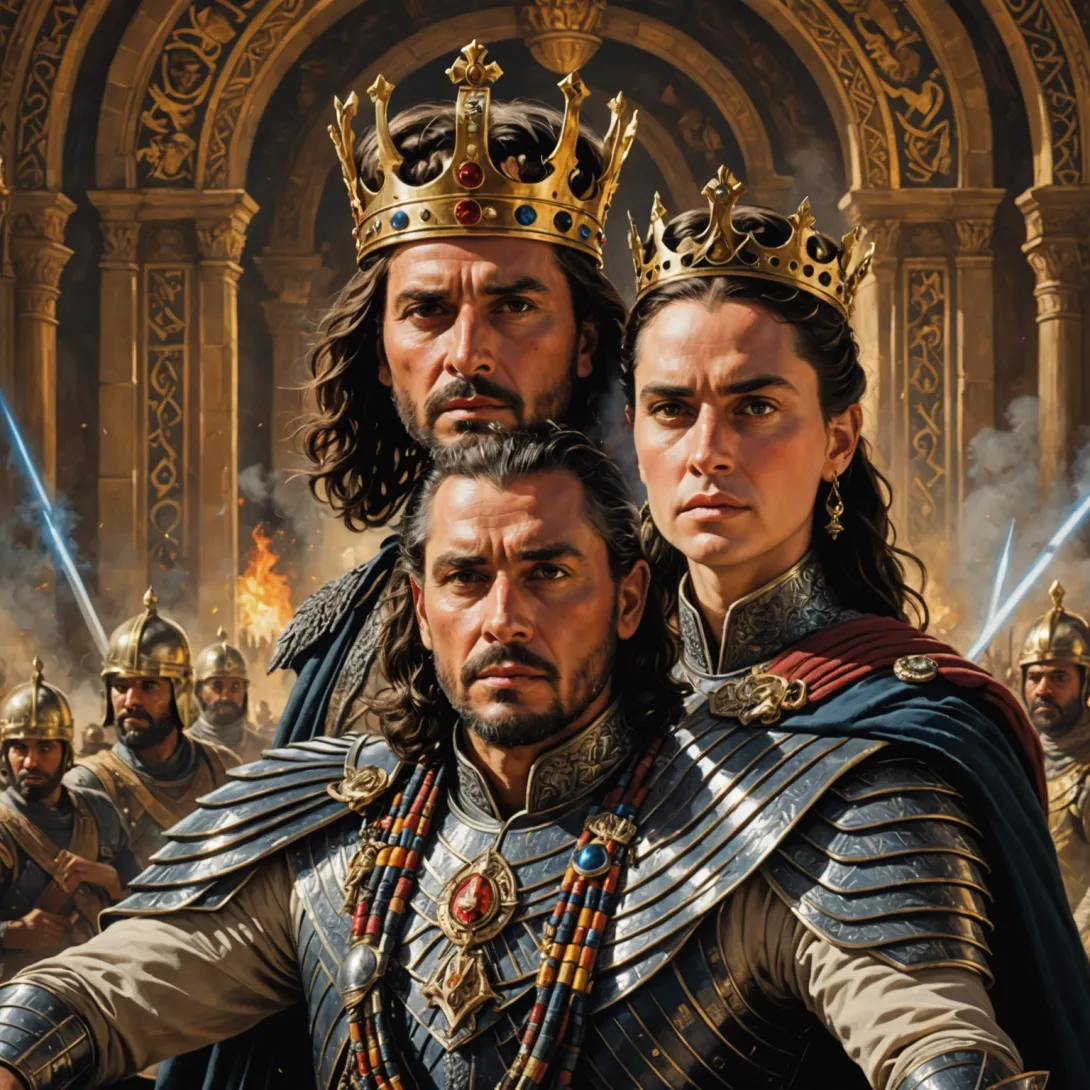
King’s Royal Narrative: Monarchy in Modern Media
The exploration of monarchy through king-themed media is a rich and multifaceted topic, encompassing how power, legacy, and cultural symbolism are portrayed and interpreted in contemporary films, television, literature, and digital content. When people search for “King’s Royal Narrative: Monarchy in Modern Media,” they are often seeking to understand how the figure of the king—such as raja charles or rey carlos—is represented, why these portrayals resonate culturally, and what they reveal about society’s evolving views on authority and tradition.
How does modern media portray the power and authority of kings?
Modern media frequently depicts kings not just as rulers but as complex characters who embody the tensions between tradition and modernity. The authority of a king is often dramatized through narratives that highlight political intrigue, family dynamics, and moral dilemmas. For example, portrayals of historical kings like raja charles in documentaries or dramatic series delve into the challenges of maintaining power amid shifting political landscapes.
These portrayals serve multiple purposes:
- Humanizing Monarchs: By focusing on personal struggles and vulnerabilities, modern media makes kings more relatable, moving beyond idealized or purely symbolic depictions.
- Exploring Political Power: They examine how kings wield authority, negotiate with other power structures, and respond to crises, providing viewers insight into governance and leadership.
- Reflecting Contemporary Values: The depiction of kings often mirrors current societal debates around leadership, democracy, and tradition.
For instance, the recent interest in rey carlos in media reflects a contemporary fascination with monarchy adapting to modern public expectations and the balance between ceremonial roles and political influence.
What role does legacy play in king-themed media narratives?
Legacy is central to narratives about kings, as these stories often focus on how rulers shape not only their own reigns but how they are remembered by future generations. Modern media frequently explores legacy through the lens of succession, historical impact, and cultural memory.
Key aspects include:
- Succession and Continuity: Stories about kings such as raja charles often portray the tension between past traditions and the future of the monarchy, highlighting the uncertainty and responsibility involved in passing on a legacy.
- Cultural and National Identity: Legacy is tied to how kings symbolize the identity of a nation or people. Rey carlos, for example, is often portrayed as a figure who embodies Spanish heritage and cultural symbolism.
- Historical Revisionism: Media sometimes reevaluates the legacies of kings, challenging previous narratives or highlighting overlooked perspectives, which can influence contemporary understanding and attitudes.
By addressing legacy, king-themed media provides audiences with a framework to consider how historical figures influence present-day values and political structures.
How does cultural symbolism manifest in portrayals of kings like raja charles and rey carlos?
Cultural symbolism in king-themed media is pervasive and often serves to connect audiences to broader themes of identity, power, and tradition. Kings are frequently depicted as living symbols of national unity, moral authority, or divine right.
Examples of cultural symbolism include:
- Regalia and Ceremony: The use of crowns, thrones, and rituals in media emphasizes the sacred and historical nature of kingship.
- Language and Imagery: Titles like "raja" or "rey" carry deep cultural resonance, evoking centuries of history that media taps into to create authenticity and emotional impact.
- Myth and Legend: Many portrayals draw on myths, folklore, or religious narratives to elevate kings to archetypal status, reinforcing their symbolic significance.
For example, media coverage and dramatizations of rey carlos often highlight the monarch’s role as a symbol of Spanish unity and tradition amidst political and social change, demonstrating how symbolism informs public perception.
Why is the king’s narrative still relevant in contemporary media?
The enduring popularity of king-themed narratives reflects a persistent cultural fascination with authority, heritage, and identity. Despite political shifts toward democracy and republicanism in many countries, the figure of the king remains a powerful storytelling device that helps audiences grapple with complex issues such as leadership, morality, and historical continuity.
Modern media’s engagement with figures like raja charles and rey carlos offers several benefits:
- It provides a lens to understand national histories and contemporary political challenges.
- It invites reflection on the nature and limits of power in society.
- It fosters cultural dialogue by connecting past traditions with present values.
Ultimately, the king’s royal narrative continues to evolve, reflecting society’s changing views on monarchy and its symbolic role in modern identity formation.
What are some notable examples of king-themed media exploring monarchy?
Several high-profile media productions have successfully explored monarchy’s themes through king-centered narratives, offering rich case studies:
- The Crown (Netflix): This critically acclaimed series follows the reign of Queen Elizabeth II but also delves into the roles of kings and princes, touching on themes of power and legacy relevant to figures like raja charles.
- El Rey (Documentaries and Films): Media focusing on rey carlos and Spanish monarchy explore the intersection of tradition and modern political realities in Spain.
- Historical Dramas and Biopics: Films such as “The King” (2019), which dramatizes the life of Henry V, examine the complexities of kingship and leadership, providing timeless insights into monarchy’s role.
These examples demonstrate how king-themed media continues to captivate audiences by blending historical fact with creative storytelling to explore enduring questions of power and cultural identity.